How to Create Configure a DMZ on Palo Alto FIrewall
Configuring a DMZ Zone and Policy Using Palo Alto Firewall #
On Day 2 of my #100DaysofCybersecurity challenge, I focused on enhancing defenses by making progress on my Palo Alto Firewall lab.
On Day 2 of my #100DaysofCybersecurity challenge, I focused on enhancing defenses by making progress on my Palo Alto Firewall lab.
 Room: https://tryhackme.com/r/room/splunk201
Q: Read the above and continue to the next task.
Answer: No answer needed
Room Link: https://tryhackme.com/room/splunk101
Continue with the next task.
Room Link: https://tryhackme.com/r/room/defensivesecurity
Learning Objectives: Offensive security primarily aims at breaking into systems through various methods like exploiting bugs, abusing insecure setups, and bypassing access control policies. This is the realm of red teams and penetration testers.
Room Link:
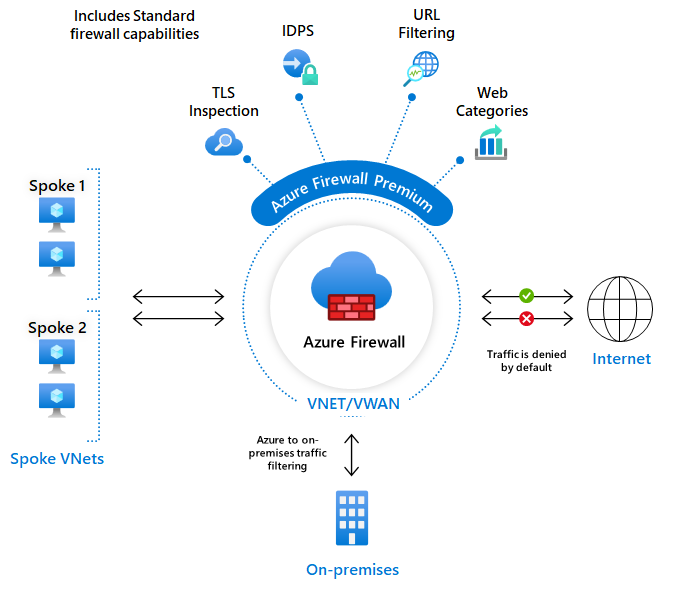
The Azure Firewall is a fully managed cloud-native service that provides network security to protect your Azure virtual network resources. The service offers built-in high availability, unrestricted scalability, threat intelligence-based filtering, logging and monitoring, and many more features and capabilities.